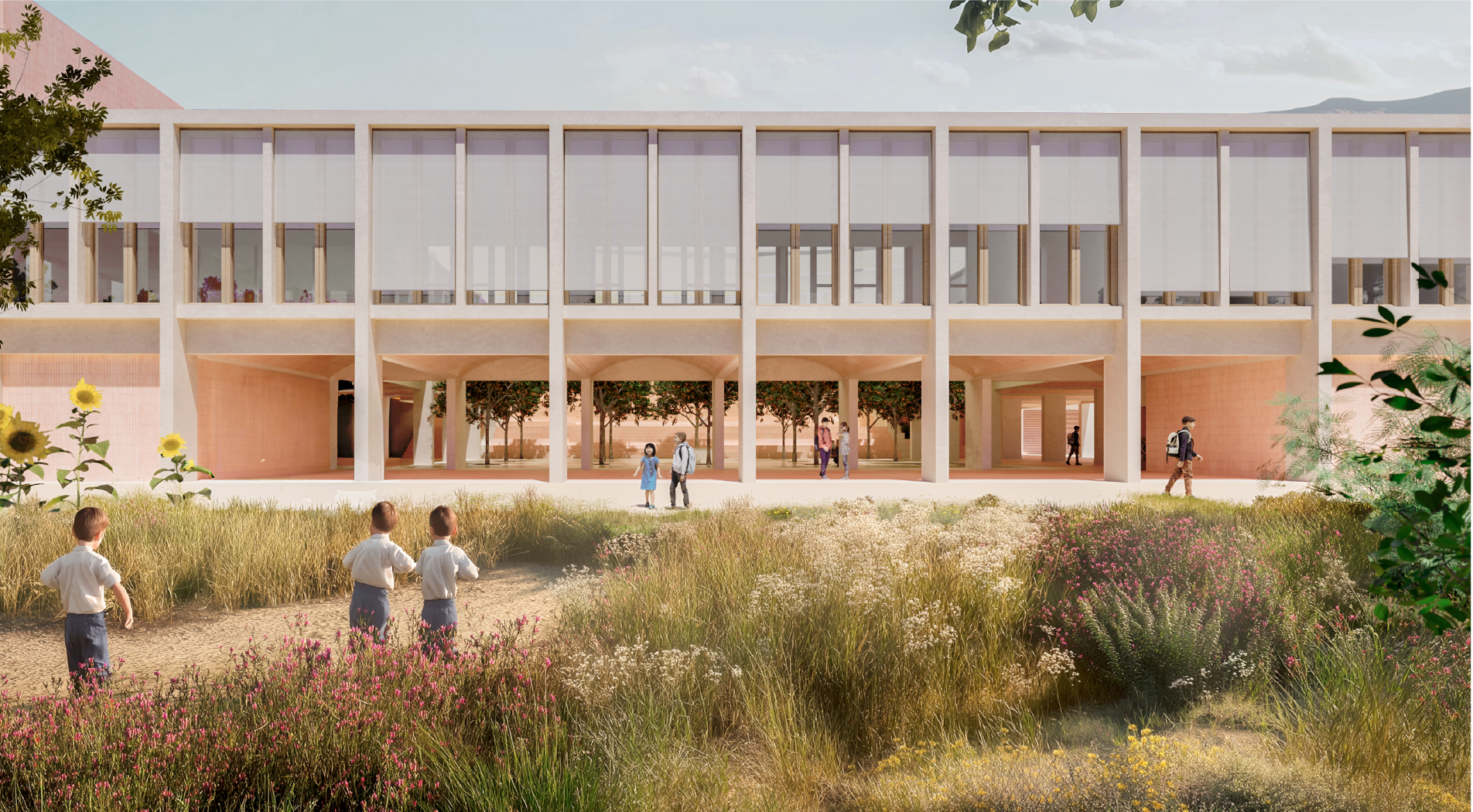
The City Council envisions the creation of a high-quality school as a transformative civic project —one that responds to an urgent educational need while becoming a long-term anchor for community life, growth and opportunity within the municipality.
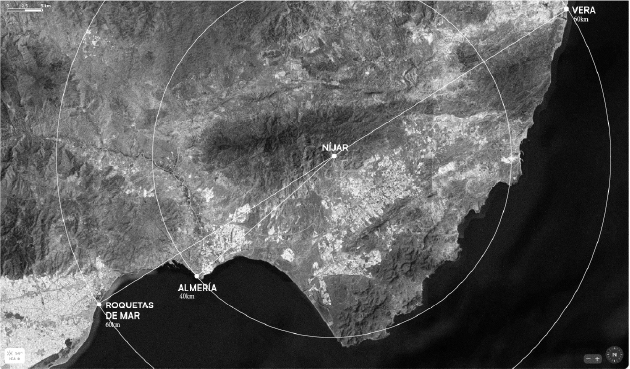
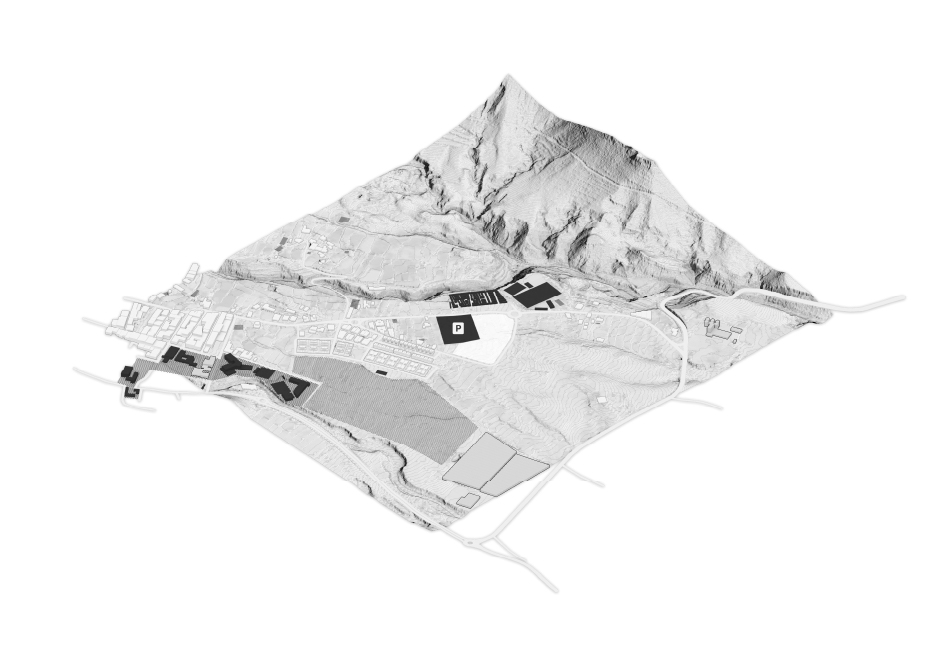
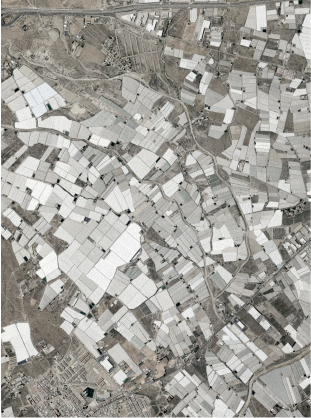
Grounded in contemporary pedagogical models, the project embraces the environment as a central educational agent, echoing Loris Malaguzzi’s notion of space as the “third teacher”. Architecture is therefore conceived as formative rather than neutral.
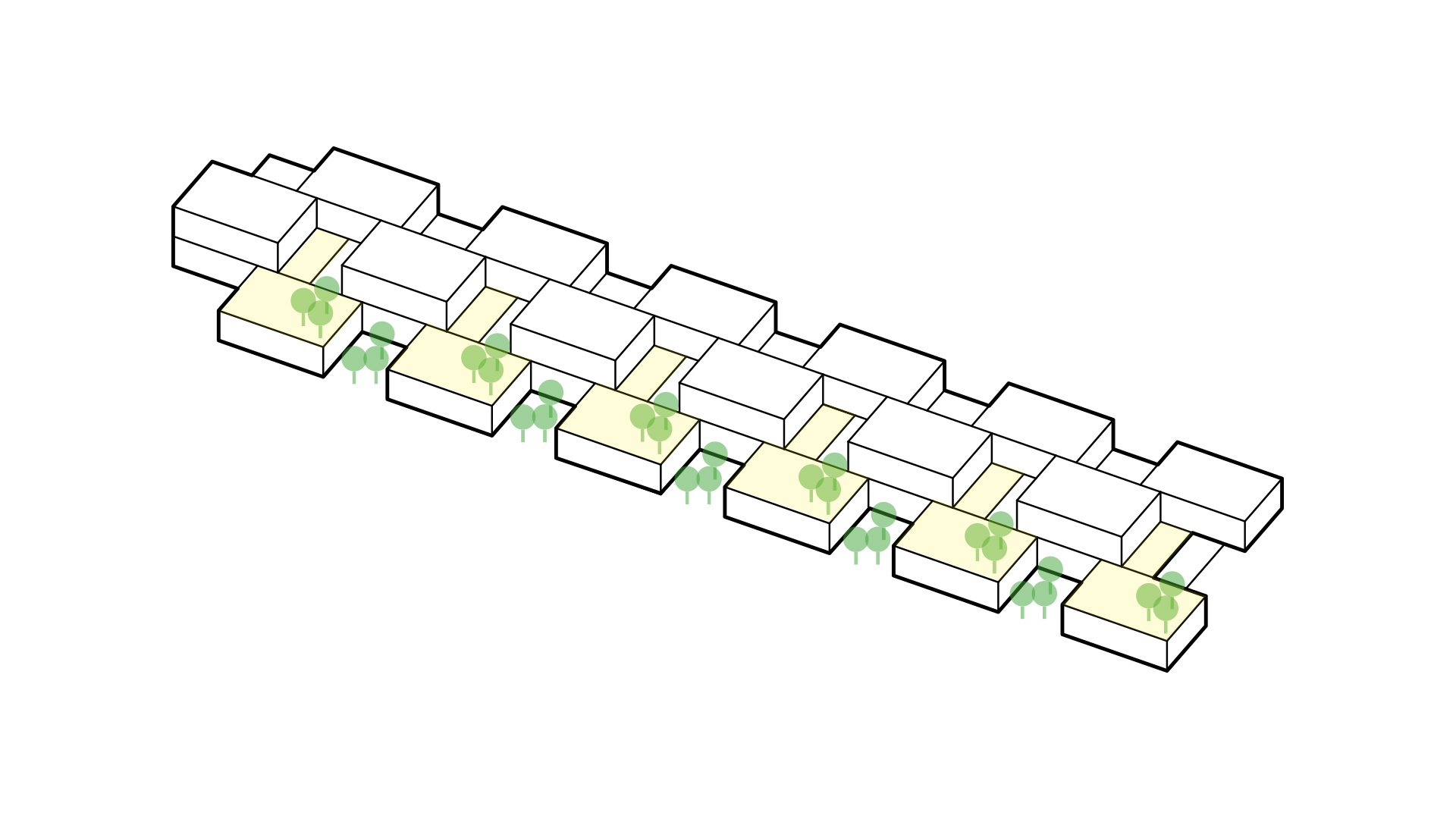
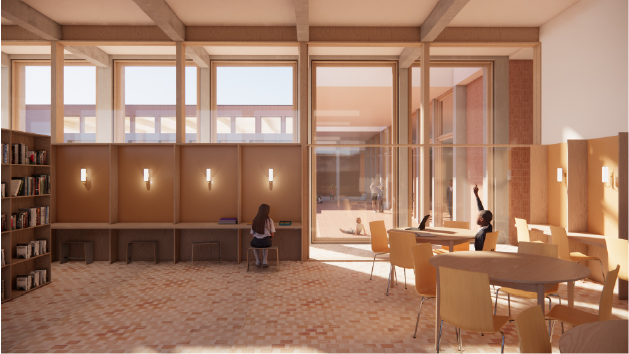
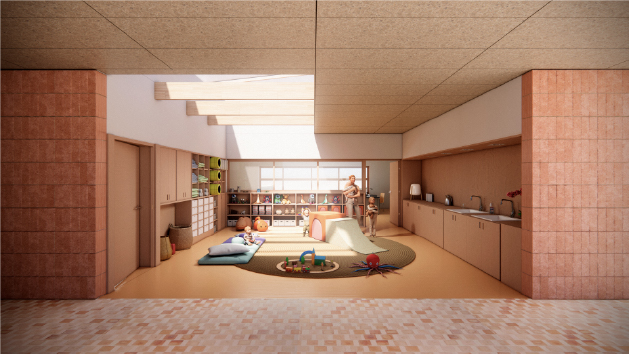
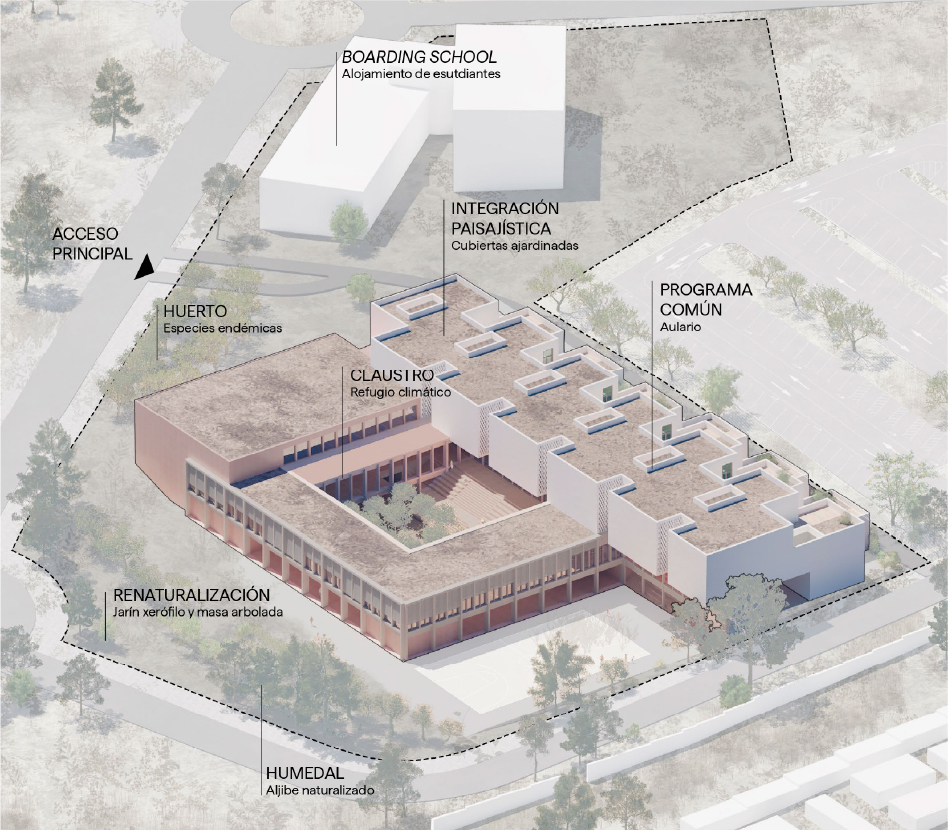
A clustered classroom wing that supports flexible and social learning, with adaptable classrooms accommodating multiple configurations and informal learning zones that encourage movement, experimentation and appropriation. Visual connections between spaces promote collective learning, while human-scaled environments invite choice and independence, and a clear spatial organization supports orientation and emotional safety.
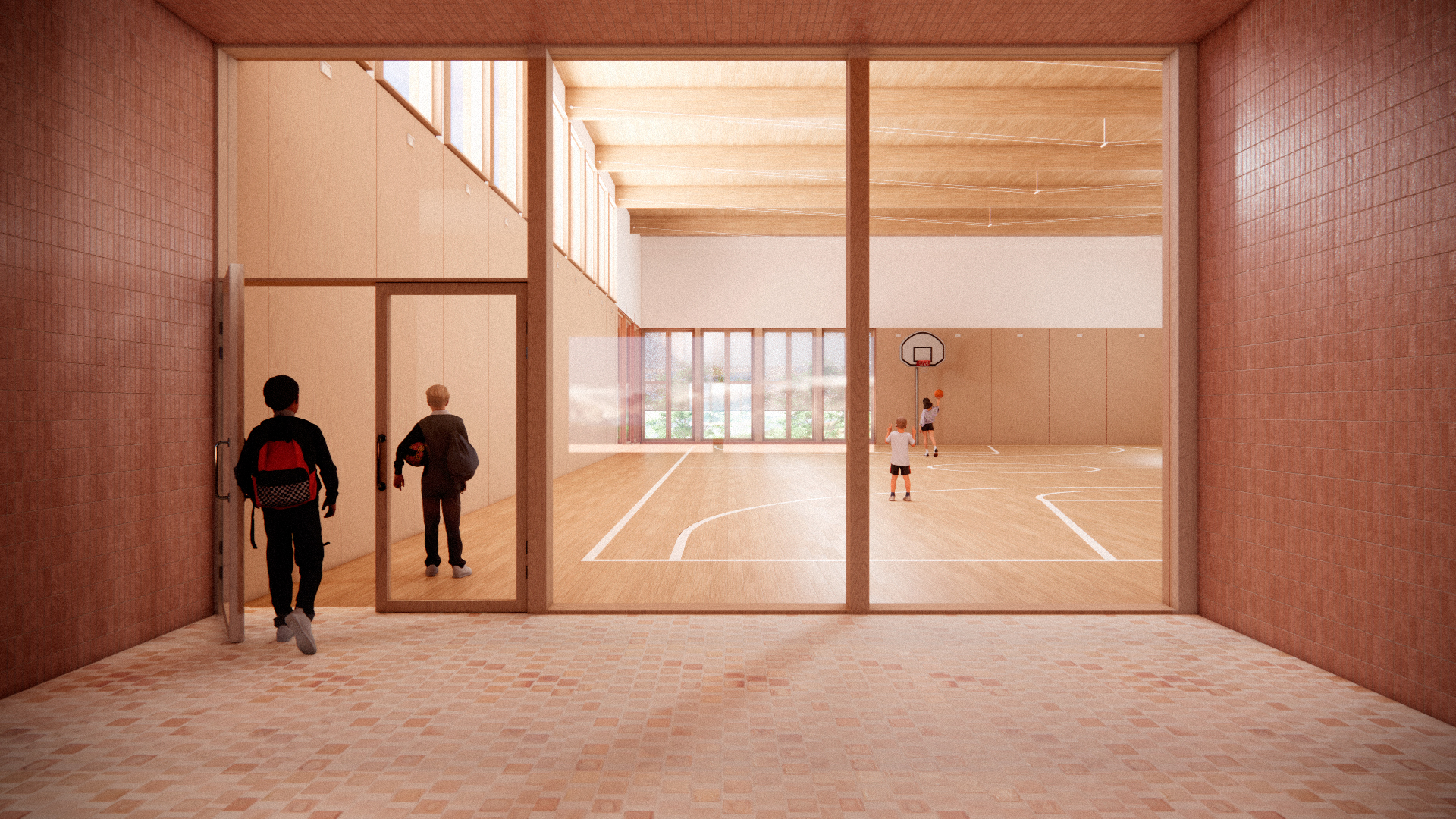
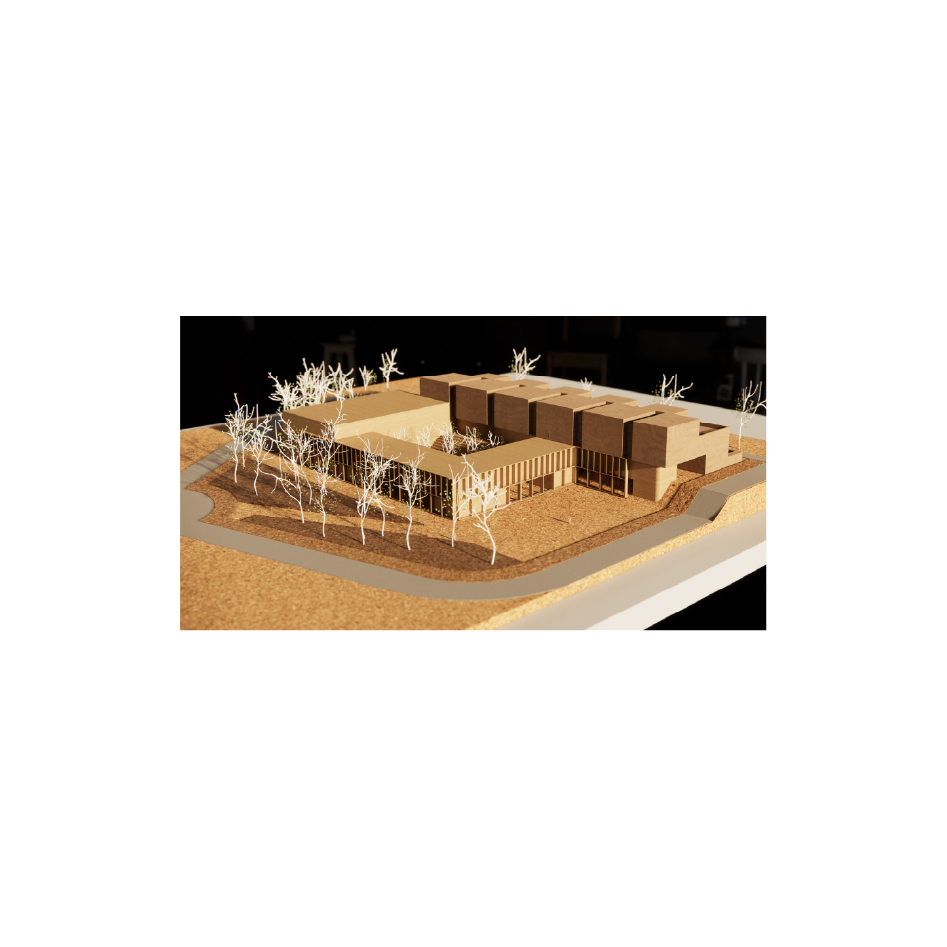
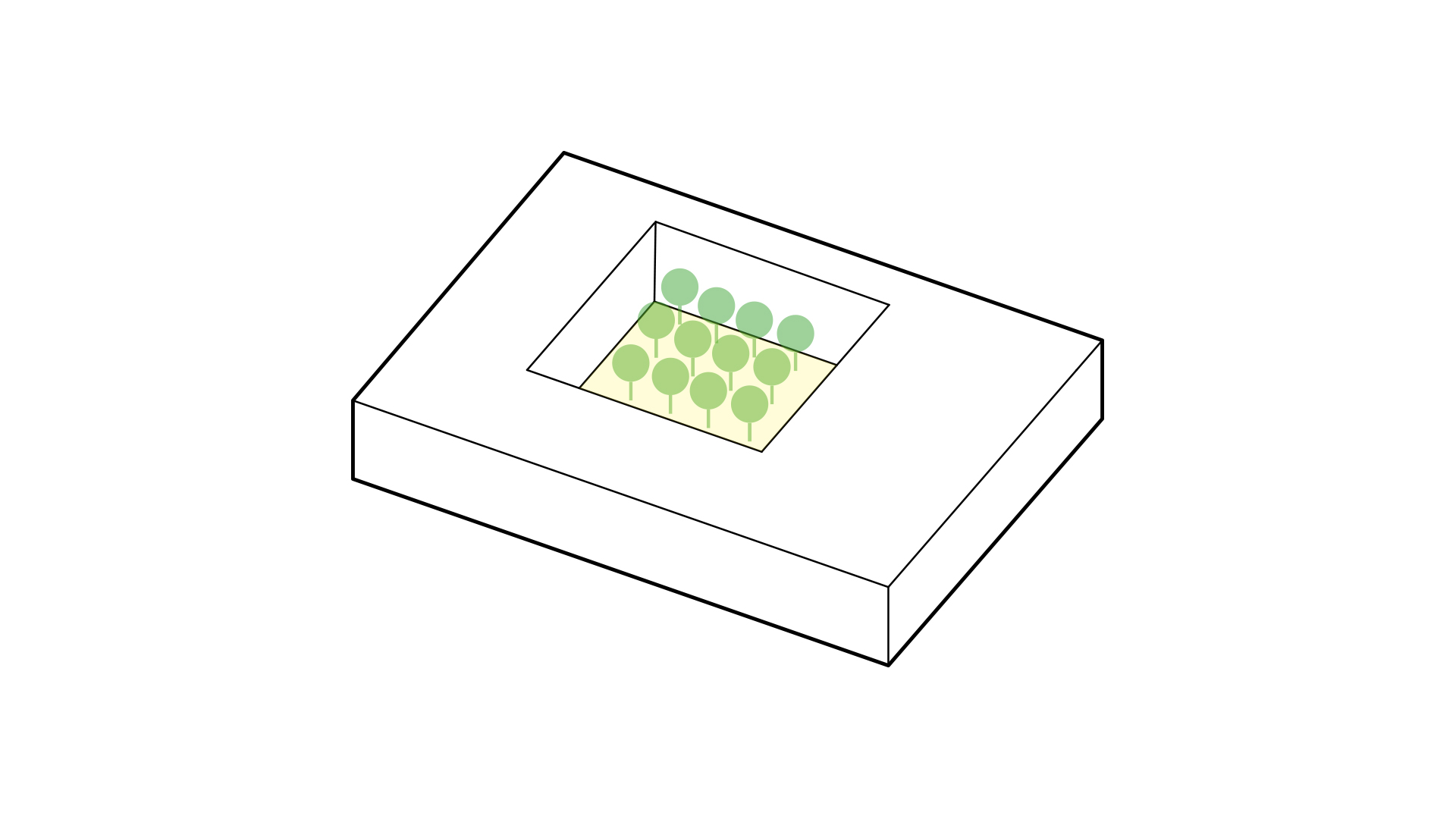
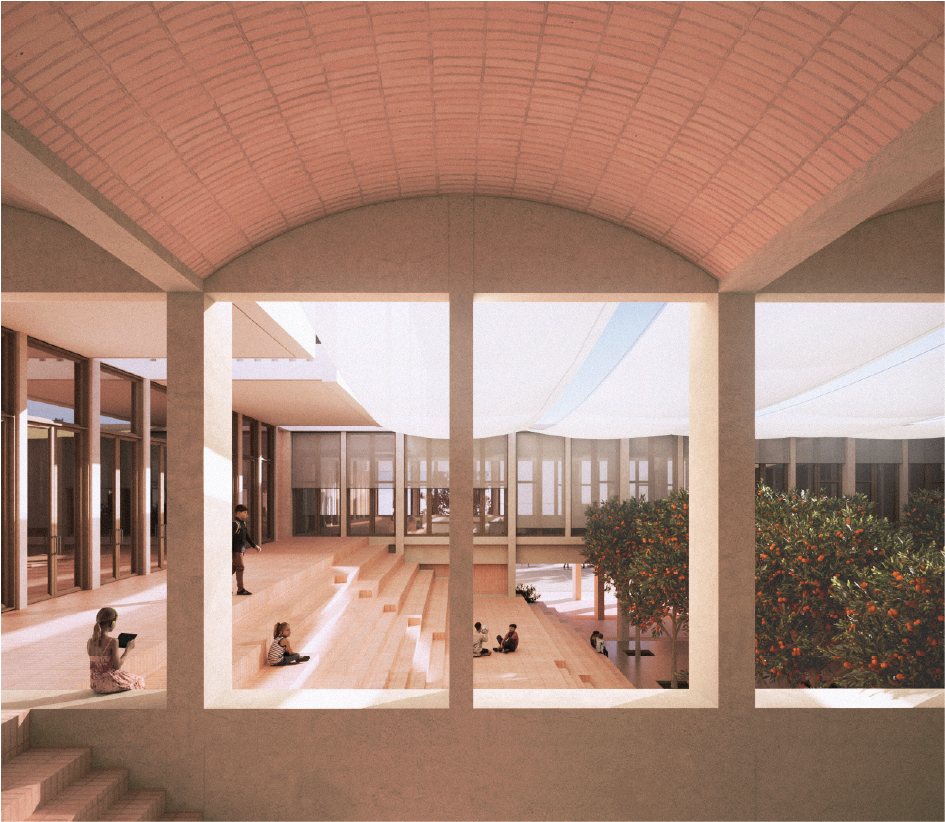
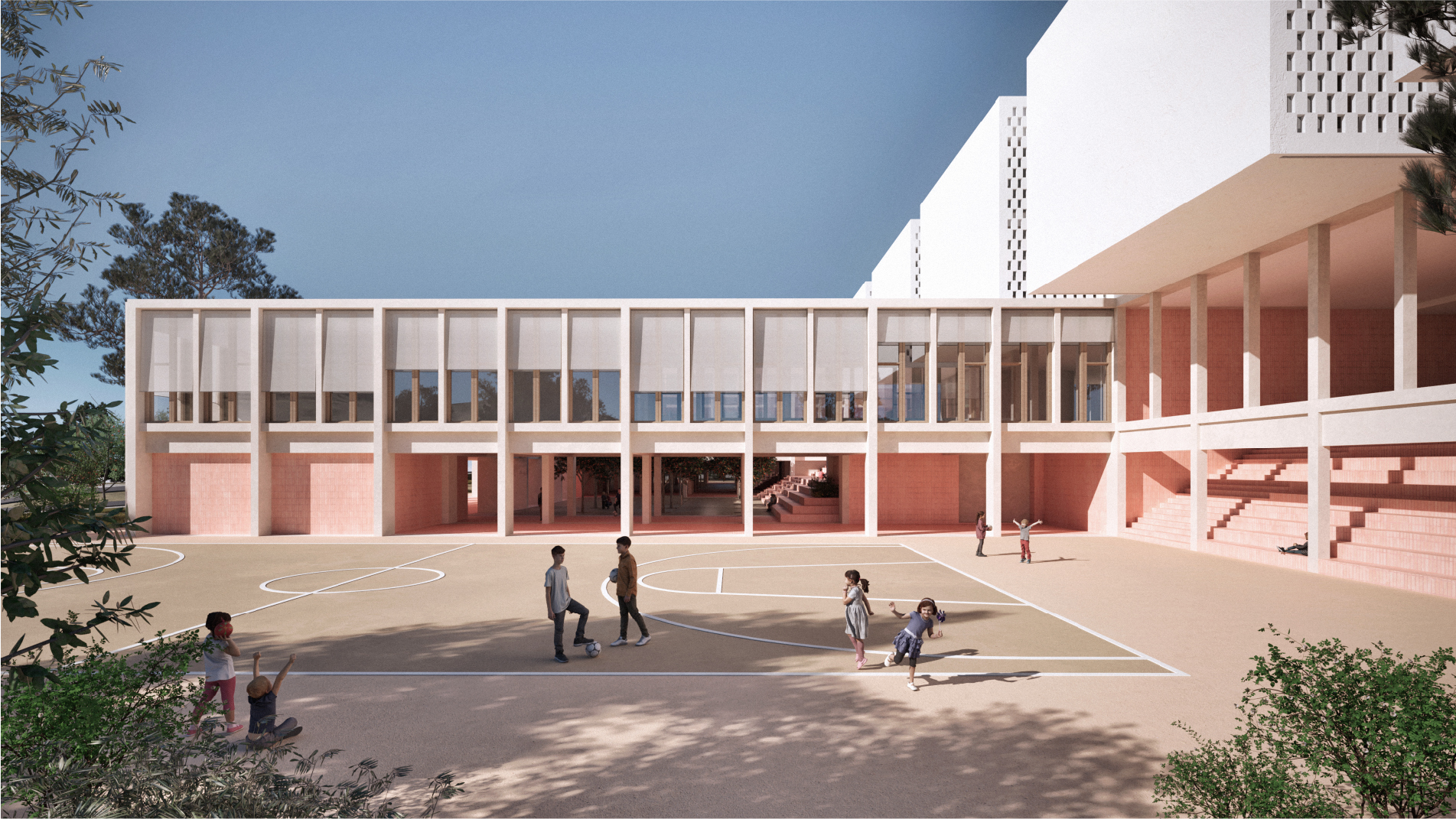
The central cloistered patio that operates as the school’s social and climatic core, acting as active learning device by promoting movement, contact with living systems, and unstructured play, key in cognitive and emotional growth.
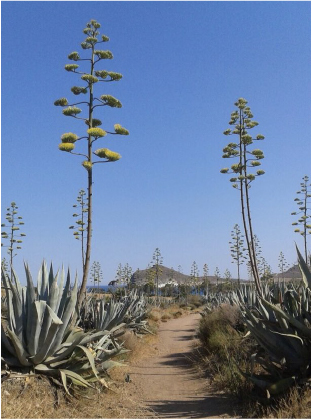
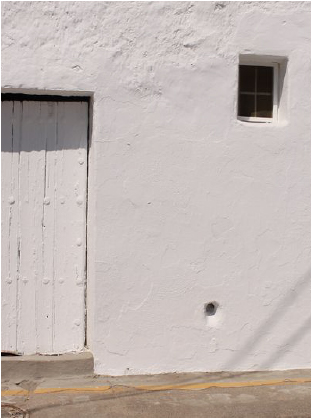
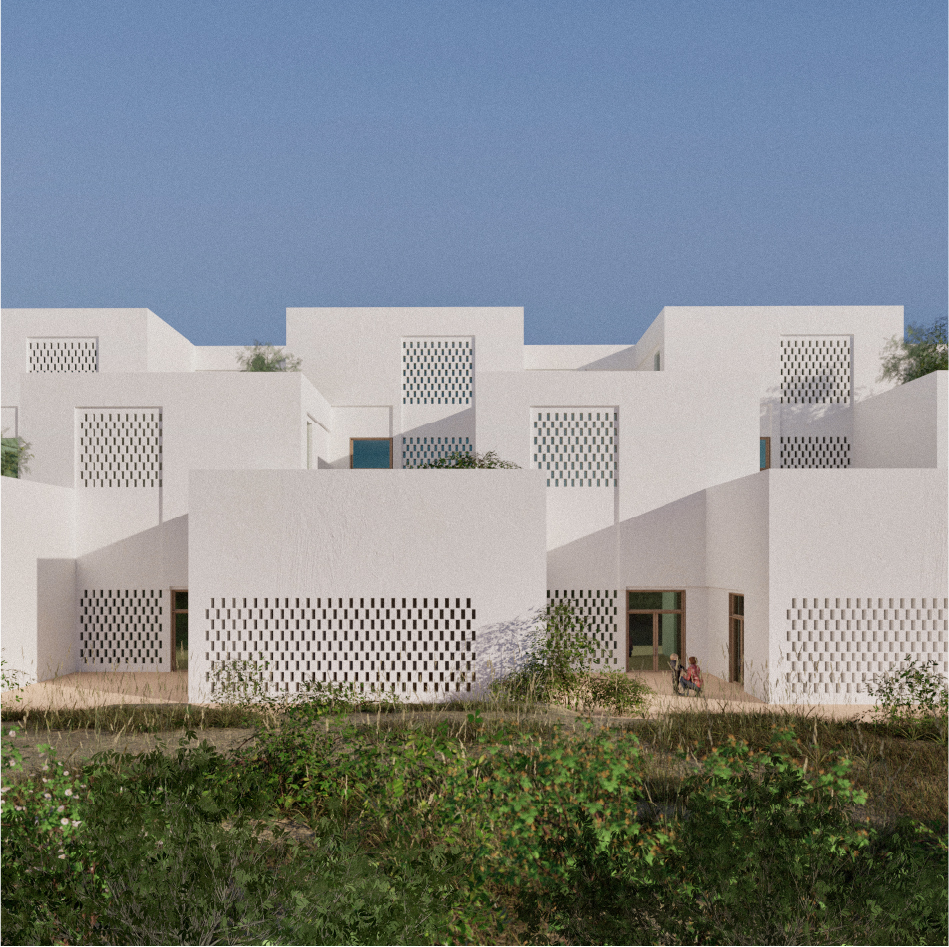
Terracing of volumes to blend with the local urban fabric. Usable flat roofs emulate the vernacular architecture of Níjar. Reinterpretation of the courtyard’s organizing role. Use of latticework and ceramic materials. Enhancement of the quality of the educational experience through the optimization of spatial conditions, such as north-facing orientation for optimal lighting. Nature is incorporated as part of an immersive pedagogical experience trough the creation of outdoor classrooms.
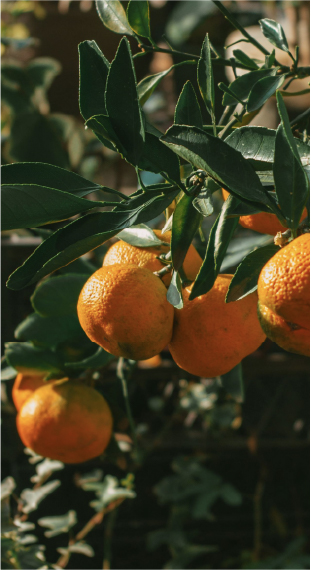
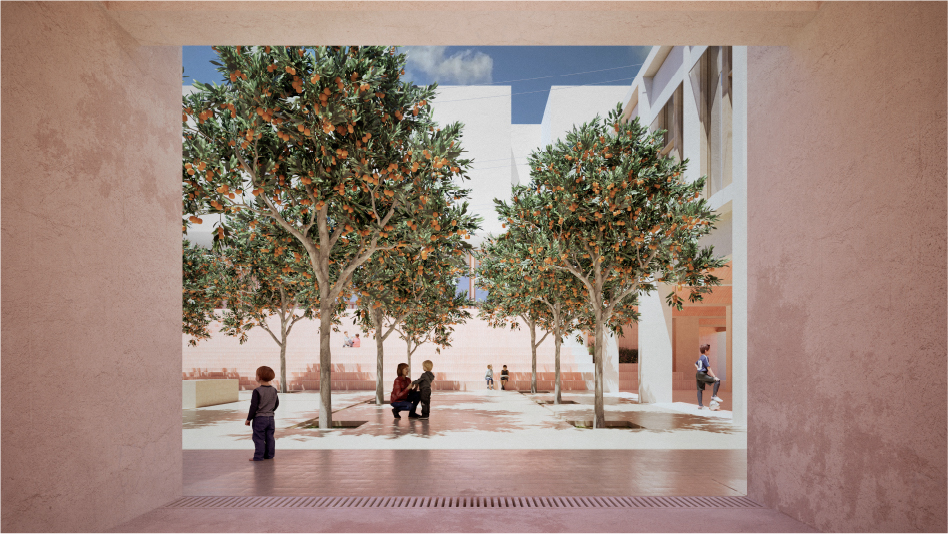
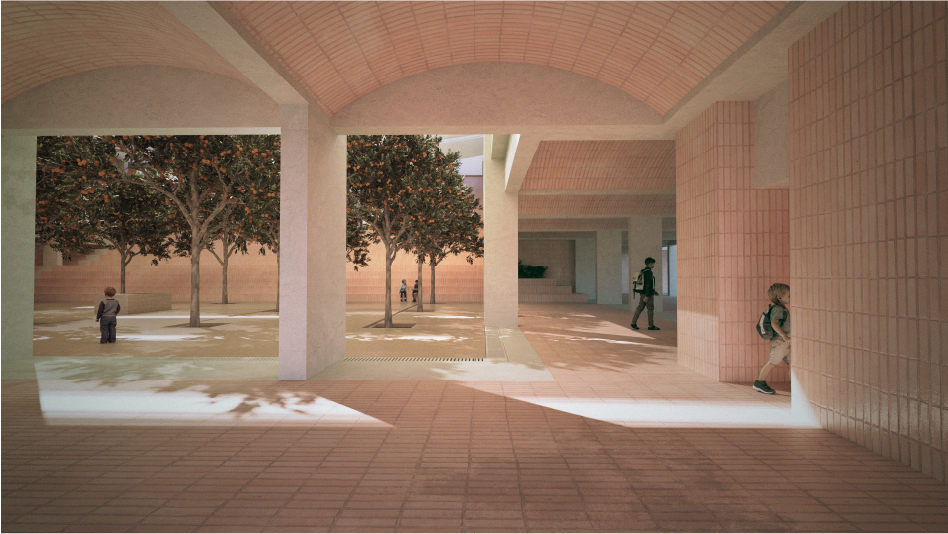
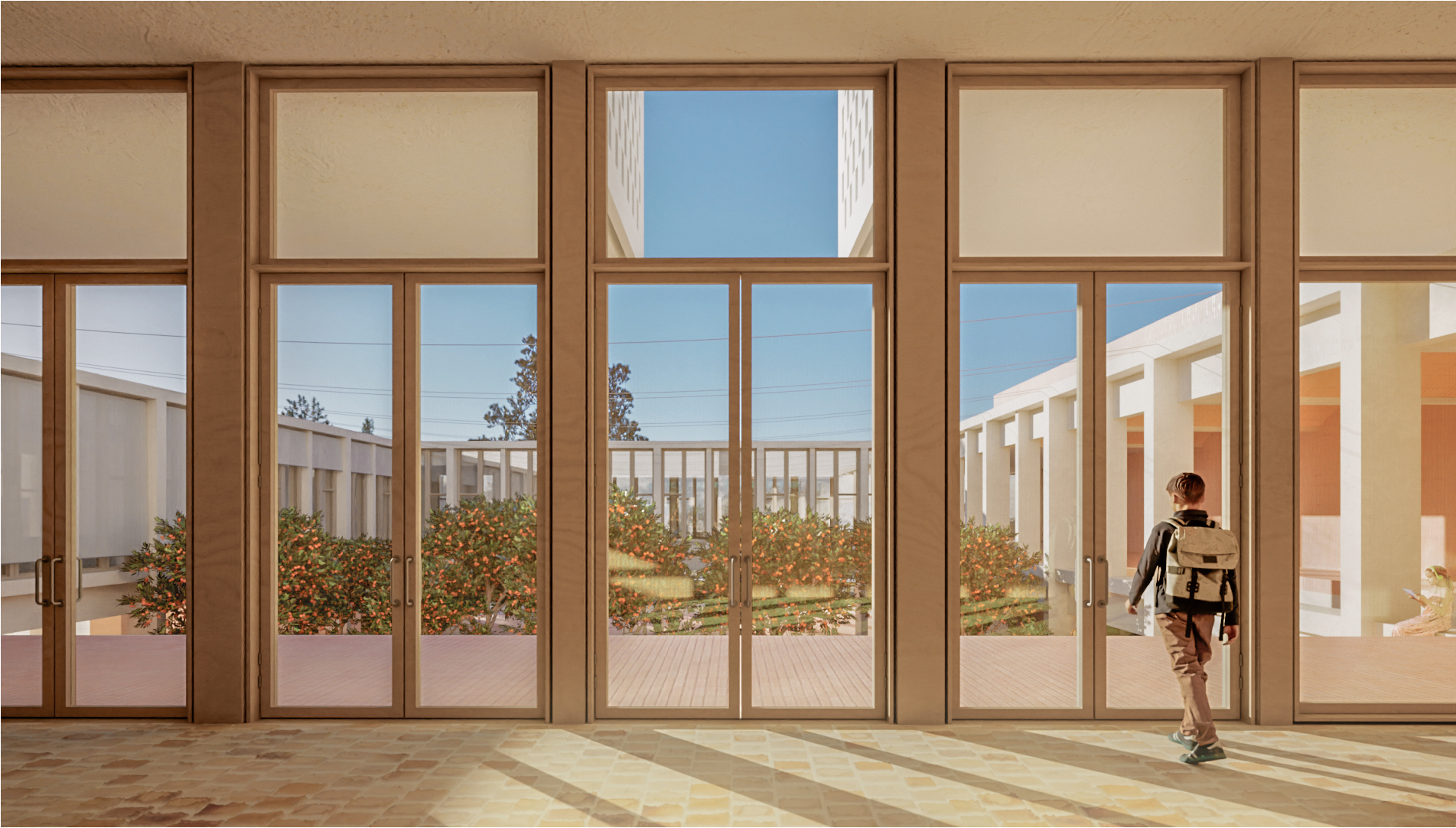
Reinterpretation of the traditional institutional typology —the porticoed cloister with a tree-lined courtyard— to provide the school with an iconic space and strong identity. Drawing on collective memory and fostering a sense of belonging, this space houses communal functions such as the dinning hall, library, gymnasium, and auditorium. Nature is integrated into the courtyard, acting as a climatic element and creating a refuge that welcomes and protects the students.
While architecture can only go so far, the project seeks, from a humble and conscious position, to engage with the questions raised by numerous speculative and innovative projects documented in pedagogical research that gathers experiences that challenge modernist orthodoxies, colonial legacies, hierarchical models of instruction, while imagining participatory, inclusive and socially engaged forms of practice.
Client
Private
Status
Concept Design
Design dates
2024: Concept Design
Program
Primary and Secondary Educational Facility
Team
Equipo.exe x ABC Mad
Marta Benito, Alejandro Bustillo, Toni Cañellas, Juan Ginés, Santiago Gómez, Javier Martínez y Silvia Muñoz
Photography / Images
equipo.exe
Budget
9 M €
Gross area
6.855 m2